
Teen Depression Edmond OK: Parent Support & Therapy Guide
If you are watching your once-vibrant teenager withdraw into a shell of sadness, irritability, or silence, your heart is likely breaking. You are not alone. Navigating the challenges of teen depression Edmond OK families experience can feel like walking through a dense fog, but there is a clear path forward. Finding the right therapy for teens with depression is one of the most powerful steps you can take to help your child heal. In my practice, I work closely with local families to find pathways to recovery, integrating traditional support with advanced brain-based therapies.
1. Recognizing the Signs of Teen Depression
Subtle Behavior Changes Parents Often Miss
Teen depression rarely looks like adult depression. While adults might exhibit overt sadness or lethargy, teenagers often express their emotional pain through behavioral shifts that are easy to misinterpret. A teen who begins locking themselves in their bedroom for hours, neglecting hobbies they once loved, or pushing away close friends is often signaling a deeper struggle with their mental health.

Irritability vs. Typical Teenage Moodiness
It is completely normal for adolescents to go through moody phases. However, there is a distinct boundary between typical hormonal mood swings and the persistent irritability associated with depression. While a moody teen might slam a door after a bad day at school, a depressed teen often displays a constant, low-simmering anger or hostility over minor issues. This chronic irritability is a primary symptom of depression in youth. Clinical data from major psychiatric institutions indicates that irritability is often the most prominent mood change in adolescents, rather than a depressed mood.
Physical Symptoms and Academic Decline
Depression also manifests physically. You may notice your teen complaining of frequent headaches, stomachaches, or chronic fatigue that medical doctors cannot trace to a physical cause. Additionally, a sudden, unexplained drop in grades is a classic red flag.
The pressures of being a student in Edmond can also be a factor in depression. When a formerly dedicated student stops turning in homework or expresses complete apathy about school, they are likely experiencing severe cognitive fatigue. Furthermore, watch out for "hyper-perfectionism." Some teens throw themselves into performance as an unhealthy coping mechanism to mask their internal pain, collapsing in panic over minor setbacks.
2. Supporting Your Depressed Teenager at Home
Creating a Safe Space for Open Communication
When your teen is struggling, your natural instinct as a parent is to want to fix the problem. You might offer immediate solutions or try to cheer them up by telling them they have so much to be grateful for. Unfortunately, this can backfire, making your teen feel misunderstood or dismissed.
Instead, focus on active, non-judgmental listening. Create a safe harbor where they can vent without fear of being lectured. Let them know you notice they are carrying a heavy load, and that you are there to listen without trying to fix it. This removes the pressure and establishes safety.
Balancing the Pressures of Sports and Extracurriculars
For many local students, school life is heavily integrated with sports and extracurricular commitments. While these activities can offer great community, they also introduce intense performance anxiety. As someone who knows the pressure of being an athlete in Edmond, I know sports only get more competitive as a teens gets older. When a teen feels they cannot live up to expectations on the field or court, their self-esteem can plummet, exacerbating feelings of worthlessness and depressive symptoms.
Establishing Healthy Daily Routines
Depression thrives on chaos and isolation. While you cannot force your teen to be happy, you can gently scaffold their day to encourage physical well-being. Try setting a consistent sleep schedule, keeping screens out of the bedroom at night, and introducing gentle movement. Rather than asking your teen if they want to go for a walk—where the answer will almost always be no—change the frame to a low-pressure request for companionship: "I really need to get some fresh air and walk around Mitch Park for fifteen minutes. Will you keep me company?" This removes the burden of decision-making from their exhausted brain.
3. Navigating Therapy for Teens with Depression
Understanding Traditional Therapy Approaches
When looking for therapy for teens with depression, you will encounter various therapeutic methodologies. Understanding these options will help you collaborate effectively with your teen's counselor. Cognitive Behavioral Therapy (CBT) is highly effective, focusing on identifying and reframing negative thought patterns and behaviors. It helps teenagers dismantle the automatic negative thoughts (such as "I'm a failure" or "Nothing will ever get better") that fuel the cycle of depression. Dialectical Behavior Therapy (DBT) is another valuable approach, teaching emotional regulation, distress tolerance, and mindfulness to help teens handle intense emotions.

Advanced Neurological Approaches: Brainspotting & Neurofeedback
Traditional talk therapy is excellent, but sometimes teens get stuck. They might struggle to put their complex feelings into words, or their nervous system may remain trapped in a hyper-aroused state. This is why I integrate advanced brain-based approaches like brainspotting and neurofeedback into my practice.
Brainspotting is a powerful, somatic method that uses the client's visual field to find where they hold emotional pain, stress, or trauma in their brain. Where we look affects how we feel. By locating specific "brainspots," we can access and process deep-seated emotional pain without requiring your teen to endlessly explain or retell their story.
Neurofeedback, on the other hand, is a non-invasive way to train the brain to self-regulate. When a teen is depressed or chronically stressed, their brainwaves can get stuck in sluggish or anxious patterns. During a neurofeedback session, we measure brainwave activity in real-time and use pleasant feedback (like a video playing smoothly) to help train their brain to find healthier, more balanced states. Together, these tools address the physiological roots of depression, bringing calm to an overloaded nervous system.
The Role of Family Counseling in Healing
Healing is a collaborative, family-wide process. Family counseling can be incredibly beneficial, providing a structured, neutral space where you and your teenager can learn how to discuss complex emotions, manage home-based stressors, and rebuild trust. Entering family therapy is not an admission of parental failure; it is an act of courage that reduces the teen's sense of being the "problem child" of the household.
4. Specialized Local Support in Edmond, OK
A Convenient, Centrally Located Office
Adolescents have unique developmental needs, and a therapist who primarily treats adults may not have the right tools to connect with a teenager. My office is located within walking distance to Sequoyah Middle School, Edmond North High School, and the University of Central Oklahoma. Having a highly accessible local practice makes it convenient for your teen to attend consistent sessions without adding extra travel stress to your family's busy schedule.
Emergency Mental Health Resources and Crisis Lines
If your teenager is experiencing an acute mental health crisis, expresses thoughts of self-harm, or is in immediate danger, do not wait for a therapy appointment. Please utilize these direct crisis resources immediately:
National Crisis Lifeline: Call or text 988 (Available 24/7, free, and completely confidential).
The Trevor Project (for LGBTQ+ youth): Call 1-866-488-7386 or text START to 678-678.
Local Emergency Care: Visit the nearest emergency room, such as the emergency department at INTEGRIS Health Edmond or OU Health Edmond Hospital.
Quick Takeaways
- Look for Irritability: Teen depression often looks like persistent anger and chronic irritability rather than quiet sadness.
- Listen Without Fixing: Avoid immediate advice; instead, validate your teen's emotions and let them know you are on their team.
- Incorporate Micro-Routines: Focus on tiny, low-pressure daily habits, like a 15-minute walk outside or consistent sleep routines.
- Address Performance Pressures: Keep a close eye on the stress levels stemming from local sports and academic perfectionism.
- Explore Brain-Based Options: Advanced therapies like neurofeedback and brainspotting can help when traditional talk therapy feels stuck.
- Take Care of Yourself: Prioritize your own mental health as a parent so you can stay strong, calm, and present for your teenager.
Conclusion
Parenting a teen through depression is undoubtedly one of the most challenging seasons a family can face. It requires patience, deep empathy, and the courage to seek outside support. However, please remember that depression is a highly treatable clinical condition. With the right blend of a supportive, loving home environment and specialized professional care, your teen can develop the resilience and coping tools they need to thrive.
If you are noticing persistent changes in your teen's mood, behavior, or physical well-being, do not wait for the situation to resolve on its own. Reaching out to a professional who understands local dynamics, academic stressors, and advanced therapeutic tools like brainspotting and neurofeedback can make all the difference. Let's take that step together to help your teenager find their way back to a bright, healthy future.
Ready to support your teen's mental health? Contact me today to schedule a consultation and find the right path forward together.
Frequently Asked Questions
Typical teenage moodiness is usually short-lived, situational, and does not severely disrupt daily functioning. If your teen's irritability, withdrawal, or low energy lasts for more than two weeks, starts impacting their grades, or causes them to abandon their favorite activities and friendships, it may indicate underlying symptoms of depression that require professional guidance.
It is common for teenagers to resist counseling. Avoid forcing them or using therapy as a punishment. Instead, frame it as an opportunity for support, letting them know you want them to have a safe space to talk to someone who isn't a parent. You can also suggest trying just three sessions of a brain-based therapy like neurofeedback or brainspotting, which does not require them to talk extensively if they feel uncomfortable doing so.
While talk therapy helps process thoughts, brainspotting and neurofeedback work directly with the brain and nervous system. Brainspotting uses eye positions to target and release stored emotional stress in the deeper brain. Neurofeedback acts as brainwave training, helping the brain move away from stuck, sluggish, or hyper-anxious patterns and into more balanced, calm, and functional states.
Highly competitive sports in the Edmond area can create intense performance anxiety. When a teen's identity is heavily wrapped up in their athletic achievements, an injury, a drop in performance, or simply the growing pressure to win can trigger feelings of failure, isolation, and severe academic or athletic burnout.
Yes, severe academic pressure and school-related anxiety can certainly contribute to or trigger depression, especially in teens prone to perfectionism. When academic stress is combined with peer relationships, social media pressures, and lack of sleep, it can overwhelm a teenager's developing coping mechanisms, making specialized support highly beneficial.

Counseling for Men in Oklahoma: Better Dad, Husband, You
Licensed therapist Jerred England offers direct, action-oriented counseling for men in Edmond, OK, designed to help you become a better dad, husband, and leader. Build practical CBT and ACT tools to manage stress, improve communication, and break negative patterns in-person or online.
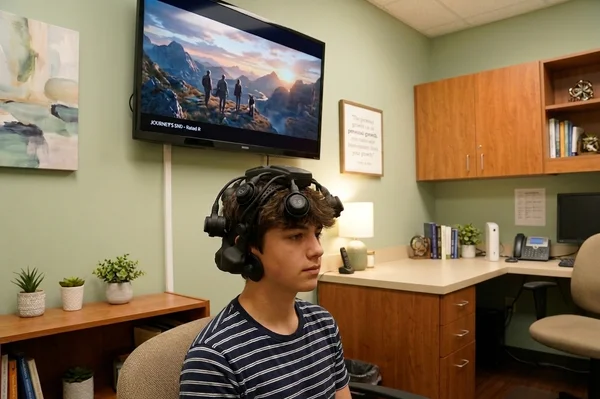
How Neurofeedback Helps Anxiety and Depression
Discover how QEEG brain mapping and BCIA-certified neurofeedback retrain brain patterns for lasting relief from anxiety and depression in Edmond, OK.
Anxiety and School Avoidance: When to Push or Pull Back
Anxiety-driven school avoidance can make every morning feel like a crisis, leaving parents unsure whether to push their teenager to attend or allow them to stay home. This comprehensive guide explores the causes of emotionally-based school avoidance, provides a framework for deciding when to push or pull back, and explains how CBT helps teens build the confidence to face school anxiety.